



France went through a really rough summer with insane heat and some awful wildfires, maybe the worst we’ve seen in years. Many forests were burned, vineyards suffered and people got a real look at how climate change can cause problems. It’s been difficult, but it might be a turning point. These disasters do more than show us stuff about the environment; they’re changing how we talk about politics and making France fix its climate plans, which is necessary.
France, just like much of Europe, has seen rising temperatures in the last ten years. All those heat waves and really hot days have been tough on everyone. We used to think of wildfires as mainly a problem in countries like Spain and Greece. Now, they’re happening more often in France, which puts small towns and wildlife in danger.
The big fires this past summer were a real warning. Seeing those images of burned forests and exhausted firefighters made everyone feel anxious and angry. Something that used to seem far away is now here, disrupting our towns, vineyards, and the places we like to visit.
France is at a turning point. The fires showed how easily its environment can be hurt and how we urgently need to deal with climate change. But this is also a chance to turn a bad situation into something good. If France adopts better climate plans, it can keep its people and economy safe and also be a world leader in fighting climate change.It’s not clear if the government will take strong action or keep playing it safe. But what’s for sure is that wildfires and heatwaves are not just one-time problems. They’re signs that the future will be hotter. How France reacts now will decide if it can change and do well, or if it will keep facing worse and worse disasters.
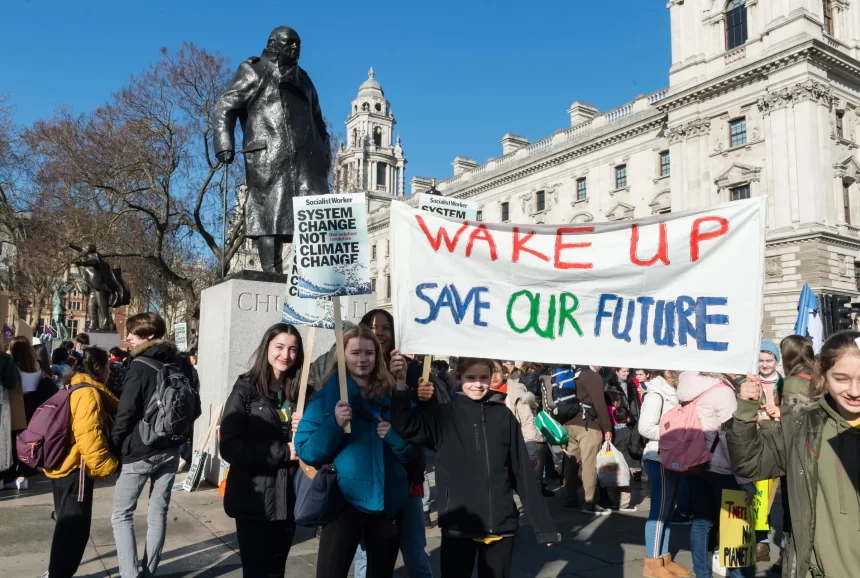
In the end, the flames of this summer might serve as a wake-up call. The question is whether France’s leaders—and its people—are ready to rise to the challenge. Climate change is here, but so is the chance to reshape policies, protect future generations, and live up to the spirit of the Paris Agreement