



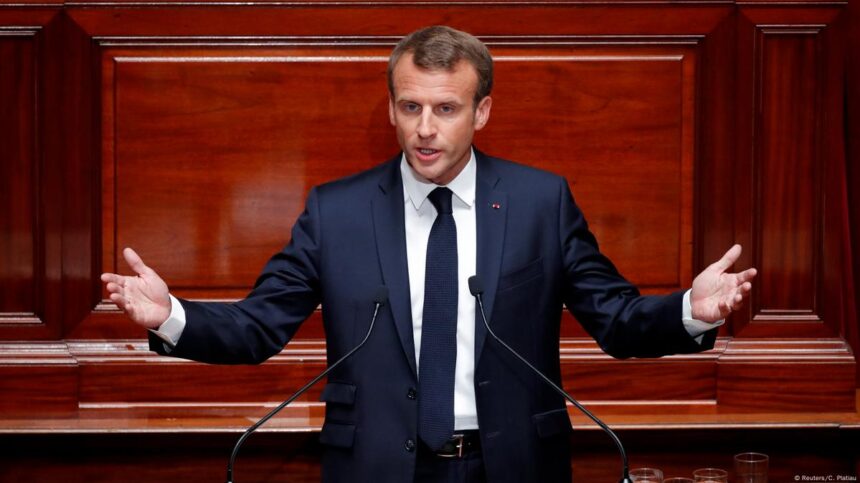
France finds itself at yet another political crossroads. President Emmanuel Macron must now choose his fifth prime minister in less than two years, after his latest nominee, François Bayrou, was ousted by a no-confidence vote. The reasons are familiar a deeply fractured Parliament, internal dissent over budget reforms, and no clear majority to anchor the next government.
A Parliament on Gridlock
Bayrou’s ambitious budget plan, aimed at reining in France’s ballooning debt and public spending, collapsed under the weight of partisan unity against relief cuts, including unpopular austerity measures. His defeat underscores a stark reality: Macron remains without a functional coalition, and French politics are increasingly polarized between extremes of left and right.
Choosing the “Next One” Requires More Than Loyalty
Names now circulating for the premiership include Defense Minister Sébastien Lecornu, former Agriculture Minister Julien Denormandie, and Justice Minister Gérald Darmanin. Some argue for a technocrat like central banker François Villeroy de Galhau or auditor Pierre Moscovici—to inject competence into chaos.
But this isn’t just about who wears the title next. It’s about who can draw lines across entrenched divides while passing a 2026 budget and calming markets jittery over fiscal instability.
What It Feels Like: For Citizens, and for Macron
Imagine trying to run a household where every decision becomes a battleground. Families feel the strain pressure growing on their wallets, and little direction from the highest offices. Meanwhile, Macron, once the architect of a centrist dream, is now caught between honoring promises or facing stalemate.
The Bigger Picture: A Gridlocked System
This isn’t just a personal struggle for Macron it’s institutional fatigue that threatens the foundations of the Fifth Republic. Critics argue that the very system designed to prevent gridlock now perpetuates it. With reforms stalled and public dissatisfaction rising, questions are being raised. Is the French executive model still fit for purpose?
Why It Matters—Now
Every day spent without a stable government weakens France’s ability to respond to cost-of-living concerns, geopolitical shifts, or economic pressures. The longer this continues, the more brittle the republic’s credibility becomes.
At a Glance
– Political chaos: Building a majority in a fractured assembly
– Leadership options: Choosing a PM who can negotiate, not just ally
– Public weariness: Citizens growing impatient, burdened by instability
– Systemic questions: Structural reform versus political preservation
Conclusion
France’s moment of constitutional drama isn’t just a headline it’s a lived anxiety for millions. Macron must step carefully: appointing an interim premier is easy; choosing someone who can hold the system together is much harder.