



“The deployment of carbon removals to counterbalance hard-to-abate residual emissions is unavoidable if net zero targets are to be achieved” (IPCC, 2022). Limiting warming to 1.5°C above pre-industrial levels would require unprecedented rates of transformation in many areas, as well as drawing CO2 out of the atmosphere to compensate for historic emissions, as well as emissions from sectors that cannot completely decarbonise, or which may take a long time to do so.
There are a number of CDR methods, each with different potentials for achieving negative emissions, as well as different associated costs and side effects. We need a portfolio of solutions to tackle the climate crisis. Today, forest restoration is the most scalable solution for combating climate change (BCG, 2024).
According to the ETH’s study, protecting current forests and restoring forests that have been deforested could capture 226 billion metric tons (GT) of carbon from the atmosphere, equating to one-third of excess emissions since industrialisation began. Beyond carbon sequestration, restoring degraded forests improves the abundance, richness and diversity of native species, increases air and water quality, and contributes to bettering local well-being.
Facing a Climate and Biodiversity Crisis: A Global Wake-Up Call
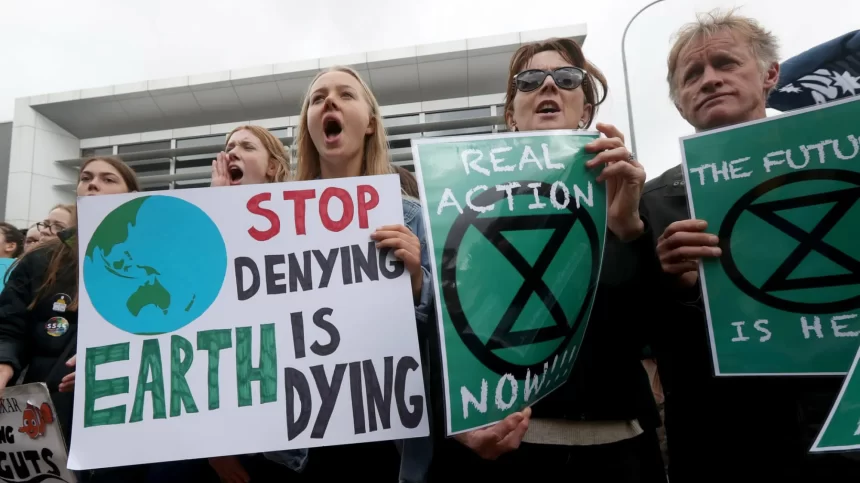
Humanity stands at a critical crossroads. The twin emergencies of climate change and biodiversity loss are no longer distant threats—they are current, accelerating, and interconnected crises that are reshaping the world as we know it. From scorching heatwaves and rising seas to vanishing species and collapsing ecosystems, the planet is signaling a clear and urgent message: we must act—now.
Understanding the Crisis
Climate Change
Driven primarily by the burning of fossil fuels, deforestation, and industrial emissions, climate change is causing average global temperatures to rise. The effects are already visible:
-
More frequent and severe weather events such as hurricanes, floods, and droughts
-
Melting glaciers and rising sea levels, threatening coastal communities
-
Disruption of food systems, water scarcity, and forced migration
Biodiversity Loss
Simultaneously, biodiversity—the variety of all life on Earth—is in freefall. Scientists estimate that species are going extinct at a rate 1,000 times faster than natural background levels. This loss is largely due to:
-
Habitat destruction (especially due to agriculture and urban expansion)
-
Pollution, including plastics and pesticides
-
Climate change, which alters habitats and ecosystems
-
Overexploitation of species (e.g., overfishing, illegal wildlife trade)
Why It Matters
The climate and biodiversity crises are not separate—they are deeply interconnected. Healthy ecosystems like forests, wetlands, and oceans act as carbon sinks, absorbing greenhouse gases. When we lose these ecosystems, we not only lose species—we lose natural defenses against climate change.
Moreover, biodiversity underpins our economies, food systems, and health:
-
75% of global food crops rely on pollination, yet pollinators are declining
-
Medicines and vaccines are often derived from nature
-
Ecosystem services—like clean water, air, and fertile soil—depend on biodiversity
What Needs to Happen
To reverse these trends, the world must make transformational changes across sectors:
1. Shift to Renewable Energy
Replacing fossil fuels with solar, wind, and other clean energy sources is crucial to cut greenhouse gas emissions.
2. Protect and Restore Nature
Governments must commit to protecting at least 30% of land and oceans by 2030, a key goal of the UN’s Global Biodiversity Framework.
3. Rethink Agriculture and Food Systems
Sustainable agriculture, reduced meat consumption, and less food waste are essential for both emissions reduction and habitat conservation.
4. Promote Circular Economies
Reducing waste, reusing materials, and designing products for longevity help reduce pressure on natural resources.
5. Invest in Nature-Based Solutions
Restoring wetlands, mangroves, and forests can provide resilience to climate change while supporting biodiversity.
Everyone Has a Role
-
Governments must implement stronger environmental policies and honor international agreements.
-
Businesses need to embrace sustainability, reduce emissions, and consider biodiversity in supply chains.
-
Individuals can make a difference by reducing consumption, supporting conservation efforts, and voting for climate-conscious leaders.
Conclusion
The climate and biodiversity crises are defining challenges of our time—but they are not insurmountable. With bold leadership, innovation, and global cooperation, it is still possible to build a future where both people and the planet thrive. The time to act is not tomorrow—it’s today.