



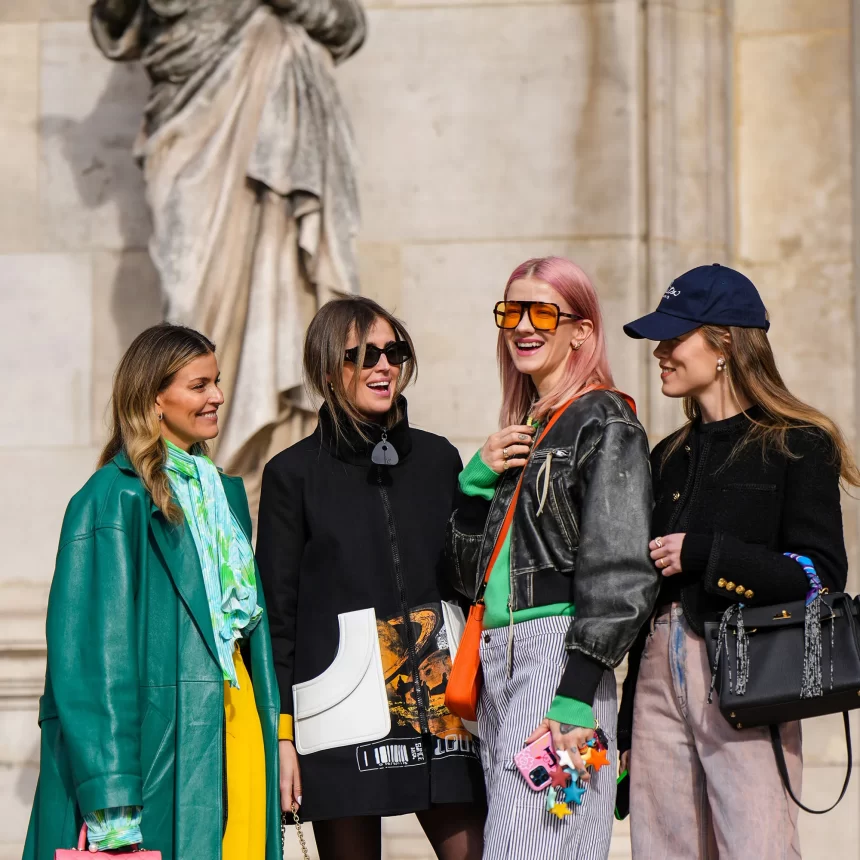
France is still a fashion icon, famous for luxury and fresh ideas. Even in 2025, it holds its reputation, though things are changing.French fashion used to focus on one designer. Think of Coco Chanel or Christian Dior; one person’s ideas shaped a brand. Now, fashion’s more about teamwork, variety, and understanding the world. Luxury labels know they need to change and appeal to younger, more diverse customers, but they still want to remain unique.
Lanvin shows this change well. With Peter Copping leading, the brand is moving to a classy style, refreshing its past for modern shoppers. Lanvin hopes to attract people who value history and practicality by blending skill with today’s likes. This approach mirrors a bigger change in French luxury, where a brand’s story and genuineness are now as important as the clothing itself.
Dior, Chanel, and Gucci are also seeing leaders change, which should shake up their creative paths. Dior wants to add tech and eco-friendly practices to their fancy clothes, keeping the brand fresh. Chanel is sticking to its classic look but trying out new stuff like digital shows, which shows how they’re reaching people differently. It’s clear these famous brands aren’t stuck in the past; they’re helping to shape where fashion is going while keeping what made them special.
These design updates aren’t just cosmetic; they’re shaking up the fashion world. New creative leaders are changing how brands handle marketing, store layouts, and customer communication. Social media is essential for showing what a brand stands for. Companies are teaming up with influencers, creating engaging online content, and developing original ad campaigns. French luxury brands understand the need to stay current with culture, tech, and customer desires to build genuine relationships.
Being eco-conscious is also crucial. Creative leaders should focus on producing garments that reduce waste, incorporate quality materials, and use recycled content. The arrival of fresh talent is a key factor in how the industry is changing. Young designers bring new ideas and different cultural perspectives, and they’re not afraid to question old ways of doing things. Their work often mixes streetwear with high fashion, which appeals to younger people. This conversation between generations helps French fashion stay current and innovative.
Money matters also shape design ideas. The luxury market is very competitive, and customers can pick from many brands and products worldwide. French brands have to stand out with special designs, great quality, and interesting stories. By being open to new creative directions, these brands hope to stay on top and appeal to both their regular customers and new ones.
Working together is also becoming a bigger part of the creative approach. French fashion houses are teaming up with artists, tech experts, and other brands to make special collections that grab people’s attention. These partnerships often create excitement, get media coverage, and feel exclusive. They also show that the industry knows that new ideas often come from mixing different fields of expertise. Experiential retail is about getting customers involved. Stores aren’t just for shopping anymore.
Tech is changing French luxury labels, too. Virtual fashion shows, AR fitting rooms, and AI personal touches are common. . They need to ensure the brand stays true to itself while using tech to improve the shopping experience. This mix of old and new defines French luxury fashion.Basically, creative moves with France’s top names go beyond just leadership or design. The whole industry is getting a refresh. By keeping what has worked, caring about the planet and creativity, and being both exclusive and accessible, these brands are changing what it means to be a French luxury brand today.