



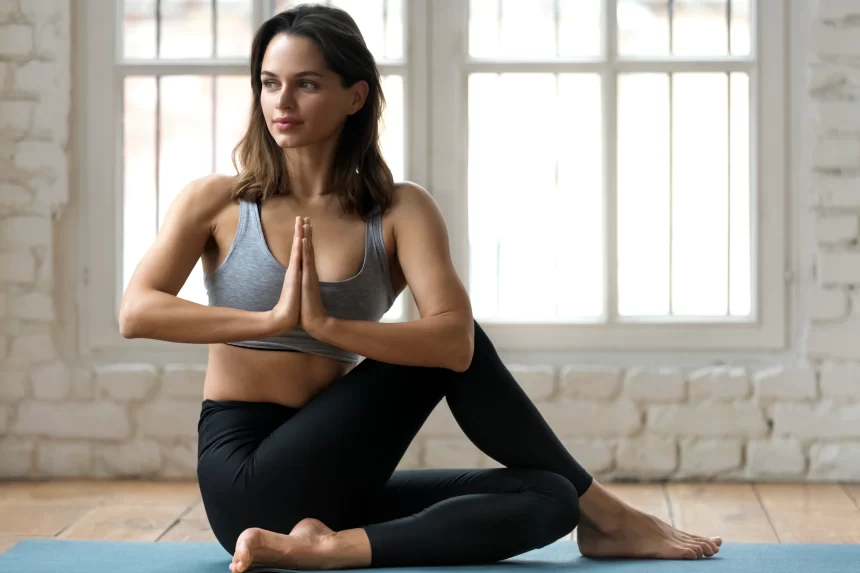
Spring is in the air, but that’s not stopping fitness enthusiasts from wanting to crank up the heat — at least in the studio. No matter the temperature outside, heated yoga, Pilates or spin classes are drawing in those eager to sweat it out.
These heated workouts are everywhere, with studio temperatures ranging from a toasty 85 degrees Fahrenheit (29.4 degrees Celsius) to more than 100 F (37.8 C).
There might be something undeniably satisfying about working up a sweat, watching the droplets roll down your skin and leaving you with a red-faced glow. But does this trendy workout regimen lead to better workout results?
Beyond the immediate feel-good factor, heated workouts may have some positive physical and mental perks.
These workouts increase blood flow and warm muscle tissue, which can enhance flexibility, according to Dr. Dominic King, a sports medicine physician at the Cleveland Clinic. In addition to reducing stiffness and potentially preventing injuries, the elevated temperature slightly boosts cardiovascular demand, possibly burning more calories than a standard workout at a regular temperature.
However, heat alone doesn’t guarantee better fitness results. Consistency, technique and overall effort are still important.
“Heated workouts add intensity, but turning up the thermostat doesn’t automatically turn up your fitness gains — sweat smartly, not just profusely,” King said.
You might also get a small mental boost from the heat-related endorphin release, which King said can offer short-term relaxation similar to the effects of sitting in a sauna.
But despite their popularity, heated workouts aren’t a fitness or health cure-all.
In fact, working out in higher temperatures can reduce exercise intensity, according to S. Tony Wolf, an assistant professor in the department of kinesiology at the University of Georgia. He added that higher temperatures can increase physiological strain, which could diminish the quality and any smaller benefits of heated exercise.
“Regular exercise routines and mindful movement in comfortable environments can offer comparable, and more sustainable, health benefits,” King said.
Staying safe while exercising
If you already love hot classes or are curious to try one, your safety should come first.
Eelevated temperatures can increase the risk of dehydration, heat exhaustion, heat stroke and fainting or exacerbate underlying heart, respiratory or kidney issues, King said.
Before heading into class, it’s essential to stay hydrated. About two to three hours before a class, King recommends drinking 16 to 20 ounces of water, plus another 8 ounces about 30 minutes beforehand.
As soon as the workout is over, replenish your fluids with 16 to 24 ounces of water, ideally with some form of electrolytes — sodium, potassium and magnesium — to replace lost minerals from extreme sweating.
During class, be sure to look out for warning signs that your body is struggling to handle the heat, such as dizziness, nausea, confusion, rapid heartbeat or fatigue, Wolf said.
Additionally, if you experience severe or unusual chest, joint or muscle pain, stop immediately and seek medical advice to rule out any underlying conditions before returning to intense workouts, King said.