



The Winter Olympics have long been celebrated as a showcase of global unity, sporting excellence, and cultural pride. Yet, as France prepares to host the 2030 Winter Games in the Alpine regions, not everyone is cheering. While some view the event as an opportunity for international recognition, tourism, and investment, a growing number of citizens, environmental groups, and local officials see it as a looming threat. Their concerns span from environmental damage to financial burden and lack of democratic involvement, making the Olympics as controversial as they are celebrated.
The French government and its supporters view the 2030 Winter Olympics as an opportunity to display the beauty of the French Alps, give a boost to mountain communities, and show France’s ability to host top-notch events. Supporters point out that investments in infrastructure, like roads, will improve travel, create job opportunities, and attract tourist revenue to local businesses. They envision the Games as a celebration of sports, culture, and French identity.
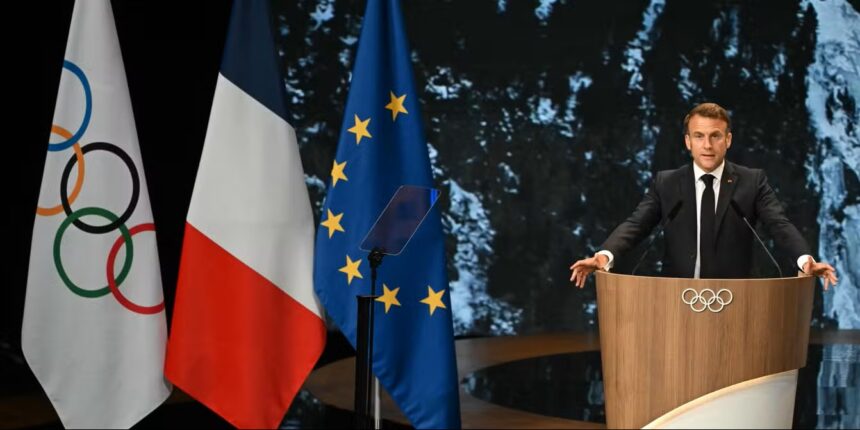
President Emmanuel Macron sees the Games as a chance to accomplish something remarkable. He believes France is capable of organizing an Olympics that is friendly to the environment. Officials are committing to a green Olympics by reusing existing venues where possible, minimizing pollution, and investing in clean energy. They assert that these goals will make the 2030 Games superior to previous ones that have been labeled as wasteful. Even with these assurances, many people aren’t convinced. Environmental groups are worried about how building, traffic, and tourism could hurt the delicate Alpine environment. They believe that investing in more ski resorts is a big risk.
Locals are worried that the Games will lead to too much building and put a strain on our natural resources. Making fake snow uses a lot of water, which is already a hot topic, and the Games could make it even worse.
French officials are defending themselves against criticism, restating that they’re serious about sustainability and not wasting money. The organizers said that most events will be at existing ski resorts or arenas, so they won’t need to build much. They also plan to use renewable energy and green transportation, such as more train lines. Supporters think that if things are done well, these Games could be a role model for planning events without harming the environment.
The government added that the infrastructure upgrades will be useful for a long time. They believe that spending on transportation and housing will help local communities down the road. Some people aren’t so sure, as they remember past Olympics that cost too much and hurt the environment. The public’s reaction to the 2030 Winter Olympics brings up a big question: What kind of future is France aiming for? Should the country put money into big events that could boost its reputation but might be costly to the environment and its finances? The Alps are more than just a place for sports; they’re a stage for different ideas about what the future should look like.
France’s turn to host the 2030 Winter Olympics was supposed to be a source of national pride and a chance to put the beauty of the Alps on display. Instead, it’s stirred up a serious argument about democracy, sustainability, and how public money should be spent. As the world looks on while France gets ready for the Games, we’re left wondering if the country can handle the pressure of balancing big global goals with local needs, or if the Olympics will end up costing more than they’re worth. One thing is sure: the debate over the Alps has started, and it could shape not only the future of the Games but also how France sees itself in the years to come.